
Light Fixture Buzzing: Common Causes and What to Do
Why Is My Light Fixture Buzzing?
A buzzing light fixture can be distracting, but the sound may also point to a fault that needs attention. The cause could be as simple as an incompatible bulb or dimmer switch, or it could involve a loose connection or a failing component. Identifying when the noise occurs can help narrow down the problem.
Common causes of a buzzing light
An incompatible bulb and dimmer switch
Some LED bulbs buzz when used with a dimmer that was designed for older incandescent bulbs. The dimmer may also be incompatible with the particular LED, even if both products are labelled as dimmable. Check the bulb and dimmer instructions, and look for a compatible dimmer or bulb. If the buzzing continues, ask a qualified electrician to check the setup.
A loose or poorly seated bulb
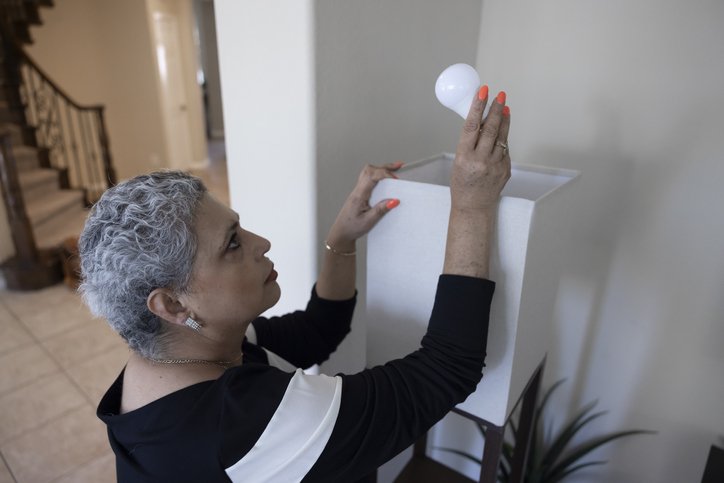
A bulb that is not fitted securely can vibrate or make a faint buzzing sound. Switch the light off and allow the bulb to cool before checking that it is seated correctly. Do not force it, and stop if the fitting looks damaged or the bulb is difficult to remove.
A worn or faulty fluorescent component
Older fluorescent fittings can buzz because of a failing ballast, starter or tube. Flickering, slow starting or uneven lighting may occur as well. These parts can involve electrical hazards, so repairs are best left to a qualified electrician.
A transformer or power supply
Some low-voltage lights and LED fixtures use a transformer or driver. A faint hum may come from this component, particularly if it is ageing, overloaded or not suited to the light. If the noise is new, loud or getting worse, have the fitting checked.
A loose connection or damaged fitting
Loose wiring or a damaged fixture can cause buzzing and should not be ignored. This is not a problem to investigate by removing covers or touching wiring yourself. Switch off the circuit if it is safe to do so and contact a qualified electrician.
What to do about a buzzing light fixture
- Notice when it happens. Does the buzzing occur only when the light is dimmed, or is it present at full brightness too? Does it change when another bulb is used?
- Switch off the light before checking the bulb. Let it cool fully, and check for visible damage. Never handle a hot or broken bulb.
- Check product compatibility. If the fitting has an LED bulb and dimmer, confirm that both are designed to work together.
- Do not dismantle the fitting. Avoid removing covers or attempting electrical repairs unless you are qualified to do so.
- Call an electrician if the noise persists. This is especially important if the fixture is old, flickering or behaving unpredictably.
When is a buzzing light an emergency?
Turn the light off and seek urgent professional help if you notice a burning smell, smoke, sparks, unusual heat, discolouration or repeated tripping of the circuit breaker. Do not use the fixture again until it has been checked. If there is smoke or a fire, leave the area and call the emergency services.
Can a buzzing light be harmless?
A very quiet, consistent hum from certain dimmers, transformers or older fluorescent fittings may be a characteristic of the equipment. However, a new, louder or changing buzz should be investigated, particularly if accompanied by flickering, heat or a burning smell. When in doubt, switch the light off and consult a qualified electrician.
9 Essential Tips to Address and Prevent Buzzing Light Fixtures
- Switch off the light if the buzzing is loud or sudden.
- Check whether the bulb is securely fitted once it has cooled.
- Try a compatible bulb of the correct type and wattage.
- LED bulbs may buzz with an incompatible dimmer switch.
- Lower the dimmer setting to see if the noise changes.
- Look for flickering, burning smells or heat around the fitting.
- Do not open or repair the fitting while it is connected to power.
- Ask a qualified electrician to check persistent buzzing.
- Replace faulty bulbs or dimmer switches with compatible models.
Switch off the light if the buzzing is loud or sudden.
If your light fixture starts buzzing loudly or the noise appears suddenly, switch it off straight away. A change in sound could indicate a fault, so leave the light off and contact a qualified electrician to have it checked before using it again.
Check whether the bulb is securely fitted once it has cooled.
Once the bulb has cooled completely, check that it is securely fitted in the socket. A loose bulb can vibrate and cause a buzzing sound. Switch the light off before checking, and avoid forcing the bulb if it does not turn easily or appears damaged.
Try a compatible bulb of the correct type and wattage.
Try replacing the bulb with one of the correct type and wattage for your light fitting. If you use a dimmer switch, make sure the bulb is marked as dimmable and is compatible with the dimmer, as an unsuitable bulb can cause buzzing. Switch the light off and let the bulb cool before changing it, and check the fitting’s instructions if you’re unsure.
LED bulbs may buzz with an incompatible dimmer switch.
LED bulbs can buzz when paired with a dimmer switch that isn’t designed to work with them. Check that both the bulb and dimmer are labelled as compatible, as some LEDs require a specific type of dimmer. If the buzzing continues after fitting compatible products, switch off the light and ask a qualified electrician to check the fixture.
Lower the dimmer setting to see if the noise changes.
If your light fixture buzzes, try lowering the dimmer setting and listen for a change. If the noise becomes quieter or stops, the dimmer and bulb may not be fully compatible, particularly if the bulb is an LED. Check the manufacturer’s guidance for compatible products, and ask a qualified electrician to investigate if the buzzing persists or you notice flickering, unusual heat or a burning smell.
Look for flickering, burning smells or heat around the fitting.
If your light fixture is buzzing, check for other warning signs, such as flickering, a burning smell or unusual heat around the fitting. These may indicate an electrical fault, so switch the light off and avoid using it until a qualified electrician has checked it.
Do not open or repair the fitting while it is connected to power.
Never open or attempt to repair a light fitting while it is connected to the power supply. Switch off the relevant circuit at the consumer unit first, and don’t rely on the wall switch alone. If you’re unsure how to isolate the power or the fitting still appears faulty, leave it untouched and contact a qualified electrician.
Ask a qualified electrician to check persistent buzzing.
If your light fixture continues to buzz after you’ve checked the bulb and dimmer compatibility, ask a qualified electrician to inspect it. Persistent buzzing may indicate a loose connection or a faulty component, so avoid dismantling the fitting or attempting electrical repairs yourself.
Replace faulty bulbs or dimmer switches with compatible models.
If your light fixture is buzzing, a faulty bulb or dimmer switch may be the cause. Switch off the light and let the bulb cool before replacing it, and make sure the new bulb is suitable for the fitting. If you use a dimmer, check that it is compatible with the bulb, particularly if it is an LED. If the buzzing continues or you are unsure which parts to use, ask a qualified electrician for advice.
Tags: burning smell, buzzing light, buzzing light fixture, circuit breaker tripping, damaged light fitting, dimmer switch compatibility, electrical fault, electrical safety, emergency electrical repair, flickering light, light fixture buzzing, light fixture noise, loose wiring, overheating, qualified electrician, sparks