
Lindy Hemming: The Costume Designer Who Brought Iconic Film Characters to Life
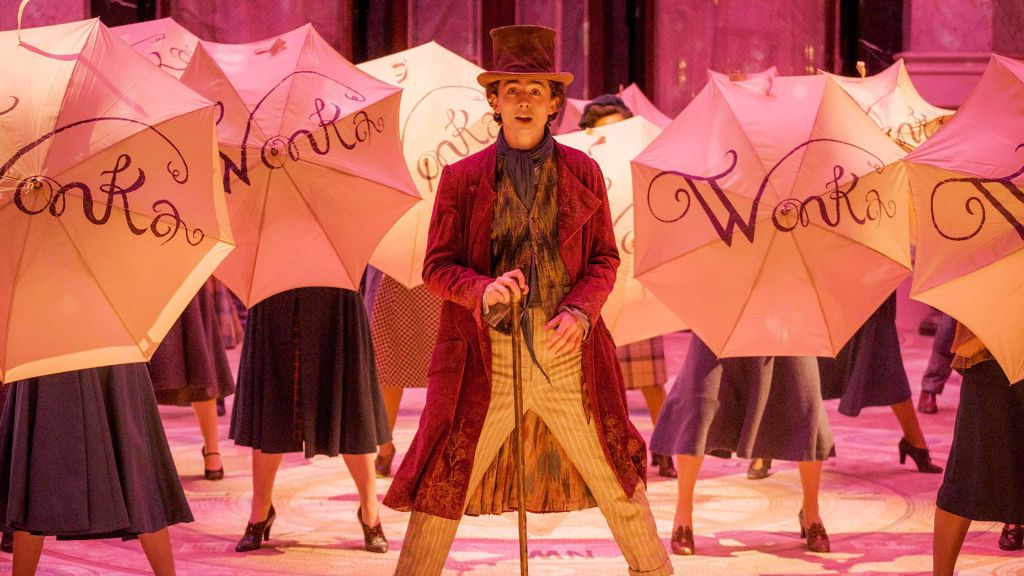
Lindy Hemming: the costume designer behind unforgettable film worlds
Lindy Hemming is a Welsh costume designer whose work has helped shape some of modern cinema’s most distinctive characters and settings. Across a career spanning theatre and film, she has created costumes that do more than look convincing: they help tell the story, establish a sense of place and reveal something about the people wearing them.
From theatre to film
Born in Neath, Wales, Hemming trained in art and design before building a career in costume. Her work has taken her from the stage to major film productions, where she has collaborated with directors to develop visual worlds ranging from historical settings to contemporary action adventures.
Her approach is grounded in character and context. A costume may communicate a person’s status, temperament or circumstances, while details such as fabric, colour and wear can help make a fictional world feel lived in. The result is work that supports the drama without drawing attention away from it.
Notable films and collaborations
Hemming’s screen credits include Topsy-Turvy, Mike Leigh’s film about the partnership of Gilbert and Sullivan. Her costumes helped recreate the world of Victorian theatre, and the film earned her the Academy Award for Best Costume Design.
She has also made a significant contribution to the James Bond films, designing costumes for several instalments, including GoldenEye, Tomorrow Never Dies, The World Is Not Enough, Die Another Day, Casino Royale and Quantum of Solace. Across these films, her designs helped give each story its own look while preserving the series’ mix of sophistication, action and glamour.
Another notable body of work is her collaboration with director Christopher Nolan on the Dark Knight trilogy: Batman Begins, The Dark Knight and The Dark Knight Rises. The costumes helped establish a grounded, contemporary Gotham City and gave the characters a distinctive visual identity.
A lasting influence
Costume design is often at its best when it feels inseparable from the film. Hemming’s work demonstrates how clothing can contribute to atmosphere, character and storytelling, whether the setting is a Victorian theatre, the world of international espionage or a city shaped by superheroes.
With an Academy Award-winning career and credits across some of cinema’s best-known productions, Lindy Hemming has become one of Britain’s most respected costume designers. Her designs continue to show how thoughtful attention to clothing can make stories—and the people within them—feel vivid and memorable.
5 Essential Tips for Perfect Lindy Hemming
- Try on the garment with the shoes you’ll dance in.
- Leave extra room for skirts to swing freely.
- Mark the hem evenly while the garment is worn.
- Use a secure stitch that suits the fabric.
- Press the finished hem gently for a neat result.
Try on the garment with the shoes you’ll dance in.
When trying on a garment for dancing, wear it with the shoes you plan to dance in. The heel height and shape can affect how the outfit hangs and moves, while the right shoes help you check that the hem won’t catch underfoot or restrict your steps. Take a few turns and practise your usual movements to see how the garment feels in action.
Leave extra room for skirts to swing freely.
When designing a skirt, leave extra room so it can swing freely as the wearer moves. This allows the fabric to flow naturally, adds energy to the silhouette and helps the costume feel comfortable and convincing in motion.
Mark the hem evenly while the garment is worn.
For an even hem, put the garment on with the shoes you plan to wear and stand naturally on a level surface. Ask someone to mark the desired length all the way round using fabric chalk or removable markers, checking that the marks sit at a consistent distance from the floor. Avoid trying to judge the hem by eye while the garment is laid flat, as the wearer’s posture and the fabric’s drape can affect how it hangs. Remove the garment before trimming or pinning the hem.
Use a secure stitch that suits the fabric.
When creating a costume inspired by Lindy Hemming’s thoughtful, character-led designs, choose a secure stitch that suits the fabric. A straight stitch may work well for stable woven materials, while stretch fabrics need a stitch that can move without snapping. Test your choice on a fabric offcut first, and adjust the stitch length and tension as needed. This helps seams sit neatly, withstand wear and support the garment’s intended look.
Press the finished hem gently for a neat result.
Once the hem is finished, press it gently with an iron to help it sit neatly and hold its shape. Use a suitable heat setting for the fabric, and avoid dragging the iron across delicate material. A light press will give the garment a clean, polished finish.
Tags: academy award for best costume design, batman begins, casino royale, character-led design, christopher nolan, colour, costume designer, costume fitting, dancewear, dark knight trilogy, die another day, fabric, fabric drape, film costume design, garment construction, goldeneye, gotham city, hem length, lindy hemming, mike leigh, quantum of solace, sewing stitches, skirt movement, storytelling, stretch fabrics, the dark knight, the dark knight rises, the world is not enough, theatre, tomorrow never dies, topsy-turvy, victorian theatre, welsh costume design