
Light Buzzing: Common Causes and What to Do About It
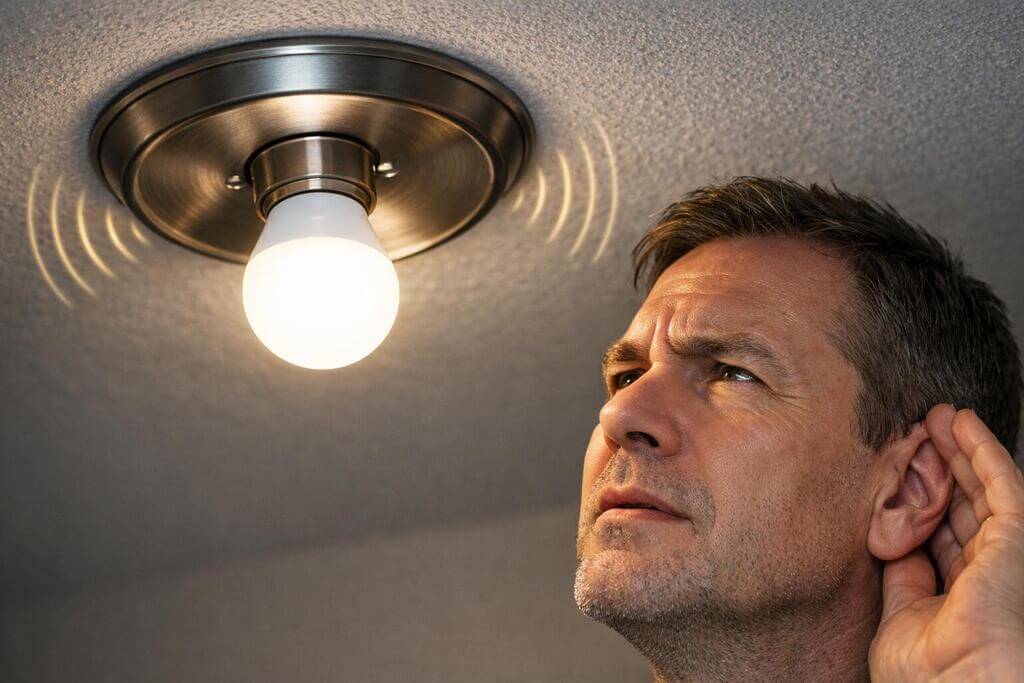
Why Is My Light Buzzing? Common Causes and What to Do
A buzzing light can be irritating, but it may also be a sign that a bulb, dimmer or fitting needs attention. The cause is often straightforward, though electrical faults should be taken seriously. Here are some common reasons a light might buzz and the safest steps to take.
Common causes of a buzzing light
An incompatible dimmer switch
Some LED bulbs can buzz or flicker when used with a dimmer that is not designed for LED lighting. Older dimmers may also be incompatible with newer bulbs, or may not work well at very low brightness settings. Check the bulb packaging and dimmer instructions to make sure they are compatible. An electrician can advise if the dimmer needs replacing.
A bulb that is loose or faulty
A bulb that is not seated securely may vibrate or make a faint noise. Switch the light off and allow the bulb to cool before checking that it is fitted properly. If the buzzing continues, try a compatible replacement bulb. Never handle a bulb while the light is on or still hot.
A fluorescent tube or its control gear
Fluorescent fittings can produce a hum or buzz as their control gear ages or develops a fault. A tube that flickers, takes longer than usual to start or has darkened ends may also need replacing. If a new tube does not solve the problem, have the fitting checked by a qualified electrician.
Vibration inside the fitting
Parts of a light fitting can vibrate when the lamp is on, particularly if a cover, shade or component is loose. If the fitting is accessible and the issue appears to be a loose shade, switch off the light at the wall and let it cool before checking it. Do not open the fitting or touch its wiring.
A problem with the electrical connection
A persistent buzz may come from a faulty switch, connection or other part of the circuit. This is more concerning if the sound comes from the switch or ceiling fitting, rather than from the bulb itself, or if it is accompanied by flickering, a burning smell, unusual warmth or discolouration.
What to do about a buzzing light
- Turn the light off. If you notice a burning smell, smoke, sparks or excessive heat, switch off the circuit at the consumer unit if it is safe to do so.
- Check the bulb once it has cooled. Make sure it is the right type for the fitting and, if applicable, the dimmer.
- Try a suitable replacement bulb. Use one that matches the fitting’s requirements and is marked as dimmable if it is connected to a dimmer.
- Pay attention to where the sound comes from. A buzz from a switch or fitting, or one that persists after changing the bulb, should be checked by a qualified electrician.
When to call an electrician
Contact a qualified electrician if the buzzing is persistent, seems to come from the wiring or switch, or occurs alongside flickering, a burning smell, heat, sparks or repeated circuit trips. Do not remove a light fitting, investigate wiring or continue using a fitting that appears damaged. If there is smoke or a fire, leave the area and call 999.
In summary
A buzzing light may be caused by a loose or faulty bulb, an incompatible dimmer or ageing fluorescent control gear. Replacing a bulb can resolve some cases, but noises from a switch or fitting may indicate an electrical fault. When in doubt, switch the light off and seek professional advice.
Understanding and Resolving Common Light Buzzing Issues: FAQs and Solutions
- How do I stop my light from buzzing?
- What does it mean if my light is buzzing?
- What does electrical hum sound like?
- Are lights buzzing safe?
- How do you fix a buzzing LED light?
- Why does my light whine?
- Why are my down lights buzzing?
- Why is my light making a buzzing sound?
How do I stop my light from buzzing?
To stop a light from buzzing, switch it off and let the bulb cool before checking that it is fitted securely and is compatible with the fitting and any dimmer switch. If the noise continues, try a suitable replacement bulb; LED bulbs may need an LED-compatible dimmer. If the buzzing comes from the switch or fitting, persists after changing the bulb, or is accompanied by flickering, heat or a burning smell, stop using the light and contact a qualified electrician.
What does it mean if my light is buzzing?
If your light is buzzing, it may be caused by a loose or faulty bulb, an incompatible LED bulb and dimmer switch, or ageing components in a fluorescent fitting. A faint buzz may be harmless, but a persistent noise can indicate an electrical fault, particularly if it comes from the switch or fitting. Switch the light off before checking or replacing the bulb, and contact a qualified electrician if the buzzing continues or you notice flickering, heat, a burning smell or sparks.
What does electrical hum sound like?
Electrical hum usually sounds like a steady, low-pitched buzzing or vibrating noise, similar to a distant transformer or an electric appliance running. It may come from a light fitting, dimmer switch or other electrical equipment, and can become more noticeable when the room is quiet. If the sound is loud, new or accompanied by flickering, heat, a burning smell or sparks, switch off the light if it is safe to do so and contact a qualified electrician.
Are lights buzzing safe?
Lights that buzz are not always dangerous: a faint hum can come from an incompatible LED bulb and dimmer, or from ageing fluorescent equipment. However, a persistent or loud buzz may indicate an electrical fault, especially if there is flickering, unusual warmth, a burning smell, discolouration or sparks. Switch the light off and contact a qualified electrician if you notice any of these signs, or if the buzzing continues after changing the bulb.
How do you fix a buzzing LED light?
To fix a buzzing LED light, switch it off and let the bulb cool, then check that it is fitted securely and is compatible with the light fitting and any dimmer switch. If the buzzing continues, try a suitable replacement LED bulb; dimmable bulbs need a compatible LED dimmer. If the noise comes from the switch or fitting, persists after changing the bulb, or is accompanied by flickering, heat or a burning smell, stop using the light and contact a qualified electrician.
Why does my light whine?
A light may whine because its bulb, dimmer switch or internal components are vibrating as electricity flows through them. This is common with some LED bulbs connected to incompatible or older dimmers, and can sometimes be resolved by fitting a compatible bulb or dimmer. If the whine continues, comes from the switch or fitting, or is accompanied by flickering, heat or a burning smell, switch the light off and contact a qualified electrician.
Why are my down lights buzzing?
Downlights can buzz because of an incompatible LED bulb and dimmer switch, a loose or faulty bulb, or ageing components in the fitting. If the lights are dimmable, check that both the bulbs and dimmer are compatible; replacing a faulty bulb may also help. If the buzzing persists, comes from the switch or fitting, or is accompanied by flickering, heat or a burning smell, switch the lights off and contact a qualified electrician.
Why is my light making a buzzing sound?
A light may buzz because its bulb is loose or faulty, it is incompatible with a dimmer switch, or the fitting’s electrical components are ageing. Switch the light off and let the bulb cool before checking that it is secure or trying a compatible replacement. If the buzzing continues, seems to come from the switch or wiring, or is accompanied by flickering, heat or a burning smell, stop using the light and contact a qualified electrician.
Tags: burning smell, buzzing light, control gear, electrical connection, electrical fault, electrical safety, faulty bulb, flickering light, fluorescent tube, incompatible dimmer switch, led bulb, led-compatible dimmer, light buzzing, light buzzing causes, light fitting vibration, loose bulb, overheating, qualified electrician, replacement bulb