
Theatre Costume Designers: Bringing Characters to Life
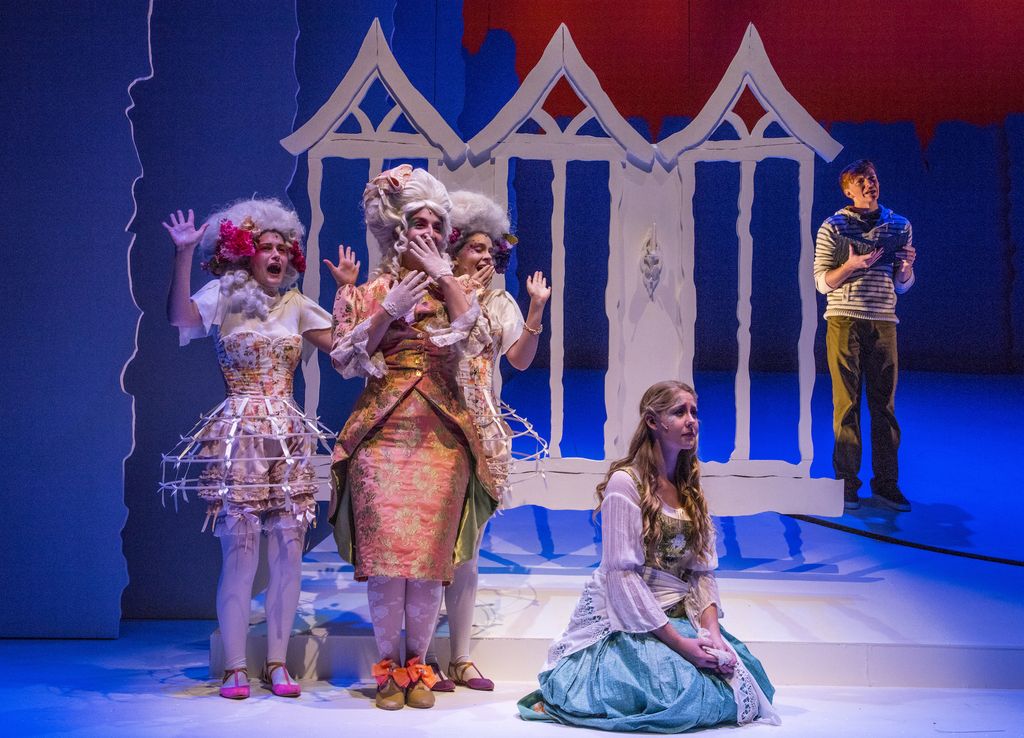
Theatre Costume Designers: Bringing Characters to Life
When the curtain rises, an audience meets a world of characters, each with a story to tell. Costume is one of the first clues to who those characters are, where they come from and how they fit into the world of the play. Behind those details is the work of a theatre costume designer: a creative practitioner who uses clothing, colour, texture and shape to help bring a production to life.
What does a theatre costume designer do?
A costume designer develops the look of the characters in a stage production. Their work may involve researching a particular period, reading the script closely, discussing ideas with the director and creating designs that support the production’s overall style.
Costumes can communicate a great deal before a character speaks. A carefully chosen silhouette might suggest authority or vulnerability; worn fabric could hint at hardship, while a bold colour may draw attention to a character’s changing fortunes. Even small details, such as a button, hat or pair of shoes, can help make a character feel convincing.
The designer’s role is also practical. Costumes must suit the performers, allow them to move comfortably and work under stage lighting. They may need to be changed quickly between scenes, withstand repeated performances and be safe for the people wearing them.
From script to stage
The process usually begins with close reading and conversation. The costume designer considers the play’s setting, themes and characters, then works with the director and other members of the creative team to agree on an approach. A production might aim for historical accuracy, for example, or use contemporary clothing to give a classic play a fresh perspective.
Research can be an important part of the design process. Designers may look at paintings, photographs, fashion archives, social history and existing garments. They might also make mood boards, sketch ideas, choose fabrics and produce costume drawings to show how a character could appear.
Once a design is agreed, the costumes are made, sourced, adapted or hired. During rehearsals, the designer and wardrobe team check how each outfit works in motion. Changes are often made along the way: a sleeve may need adjusting, a fastening might be replaced, or a colour may need to be altered so it reads clearly from the back of the auditorium.
Collaboration behind the scenes
Costume designers work closely with a range of people, including directors, performers, set designers, lighting designers, makers, tailors and wardrobe staff. This collaboration helps ensure that costumes belong in the same theatrical world as the scenery, lighting and movement.
Performers also bring valuable insight. A costume needs to reflect the character while allowing the actor to embody them. Designers may ask performers to try garments during rehearsals, helping the team discover whether a costume supports the physical and emotional demands of a role.
In many theatres, the designer is supported by a wardrobe department. Wardrobe teams help with fittings, dressing performers, quick changes, repairs, cleaning and the careful organisation of garments throughout a production’s run.
Designing for the realities of live performance
Theatre costumes face challenges that everyday clothing does not. They need to be visible at a distance, look right under stage lights and remain dependable night after night. A performer may have only seconds to change costume, so fasteners and layers need to be planned with care.
Designers also work within practical limits such as budgets, schedules, storage space and the number of performers. When resources are limited, ingenuity matters. A garment might be adapted for several characters, altered between scenes or created from a combination of new, hired and repurposed materials.
Why costume design matters
Good costume design does more than make a production look attractive. It helps an audience understand relationships, status, history and change. A costume can show that a character belongs to a particular community or feels out of place within it. It can also reveal a transformation that the character has not yet put into words.
For actors, costumes can be a powerful part of the process of becoming a role. The feel and weight of a garment may influence posture, movement and confidence. For audiences, costume helps build the world of the play and makes its people memorable.
A craft of imagination and precision
Theatre costume designers combine artistic vision with research, technical knowledge and practical problem-solving. Their work is often noticed without being consciously recognised: a character simply feels real, and the world of the production feels complete.
From the first sketch to the final curtain call, costume design shapes how stories appear on stage. It is a craft built on imagination and collaboration, helping performers inhabit their roles and audiences step into another world.
Essential Tips for Theatre Costume Designers: From Script to Stage
- Read the script closely before sketching.
- Research the play’s period and setting.
- Discuss ideas with the director early.
- Design costumes that support each character.
- Consider movement, comfort and quick changes.
- Choose fabrics suited to stage lighting.
- Keep costumes practical and durable.
- Coordinate fittings with performers.
- Label and organise every costume piece.
Read the script closely before sketching.
Read the script closely before sketching: it reveals not only what characters wear, but also who they are, how they relate to one another and how they change throughout the story. Note details about the setting, period, mood and practical demands of each scene, as well as any clues in the dialogue or stage directions. This careful groundwork helps ensure that costume ideas support the story and feel true to the production, rather than simply looking attractive on paper.
Research the play’s period and setting.
Researching the play’s period and setting gives costume designers a strong foundation for creating believable, meaningful clothing. Explore the era’s fabrics, silhouettes, colours and everyday dress, as well as the local climate, culture and social conventions. This helps costumes feel true to the world of the play while revealing details about each character’s background and status. Historical research need not limit creativity: it can also inspire thoughtful choices that bring a fresh perspective to the production.
Discuss ideas with the director early.
Discuss ideas with the director early in the process to agree on the production’s visual style and how costumes can support its themes and characters. These conversations help the costume designer understand the director’s vision, share initial research and sketches, and spot practical considerations before designs are finalised. Early collaboration also gives the wider creative team time to make sure costumes work alongside the set, lighting and movement on stage.
Design costumes that support each character.
Design costumes that support each character by reflecting their personality, background and journey through the story. Consider how colour, fabric, shape and condition can reveal details about a character before they speak, while making sure each outfit suits the production’s style and allows the performer to move comfortably. Thoughtful costume choices help actors inhabit their roles and give the audience a clearer sense of who they are.
Consider movement, comfort and quick changes.
Costumes need to look striking on stage, but they must also work for the performer. Choose fabrics and designs that allow actors to move, sit, dance or fight comfortably, and check that fastenings won’t restrict their performance. If a character has a quick change, plan simple, reliable layers and closures that wardrobe staff can manage in seconds. Testing costumes during rehearsals can reveal practical problems before opening night.
Choose fabrics suited to stage lighting.
Choose fabrics with stage lighting in mind, as colours and textures can look quite different under spotlights than they do in daylight. Shiny materials may create unwanted glare, while very dark fabrics can lose detail in dim scenes. Test fabric samples under lighting similar to the production’s, and consider how colour, texture and pattern will appear from the audience’s seats. This helps ensure costumes remain clear, flattering and true to the design throughout the performance.
Keep costumes practical and durable.
Keep costumes practical and durable, as they need to work just as well backstage as they do under the lights. Choose fabrics and fastenings that allow performers to move comfortably, withstand repeated wear and cope with quick changes. Strong construction and easy-to-clean materials can help costumes stay in good condition throughout a production’s run, while thoughtful design ensures practicality never comes at the expense of character or style.
Coordinate fittings with performers.
Coordinate costume fittings with performers as early as possible, allowing time to check comfort, movement and quick changes before the production opens. Invite performers to share any practical concerns, and make adjustments during rehearsals so each costume supports the character without restricting the actor. Clear communication and well-planned fittings help the whole team feel prepared for the stage.
Label and organise every costume piece.
Label and organise every costume piece to make rehearsals, quick changes and performances run smoothly. Use clear labels showing the character or performer, scene and any relevant change, and keep accessories with the outfit they belong to. A consistent system—such as labelled hangers, garment bags or wardrobe rails—helps the team find items quickly, reduces the risk of pieces being misplaced and makes it easier to check that each costume is ready for its next appearance.
Tags: character development, character transformation, costume design, costume making, costume research, costume sketches, fabric selection, live performance, performer fittings, production design, quick changes, script analysis, stage lighting, stage production, theatre costume designers, theatre costumes, theatrical collaboration, theatrical storytelling, wardrobe department