
RSC A Midsummer Night’s Dream: Magic, Mischief and Romance on Stage
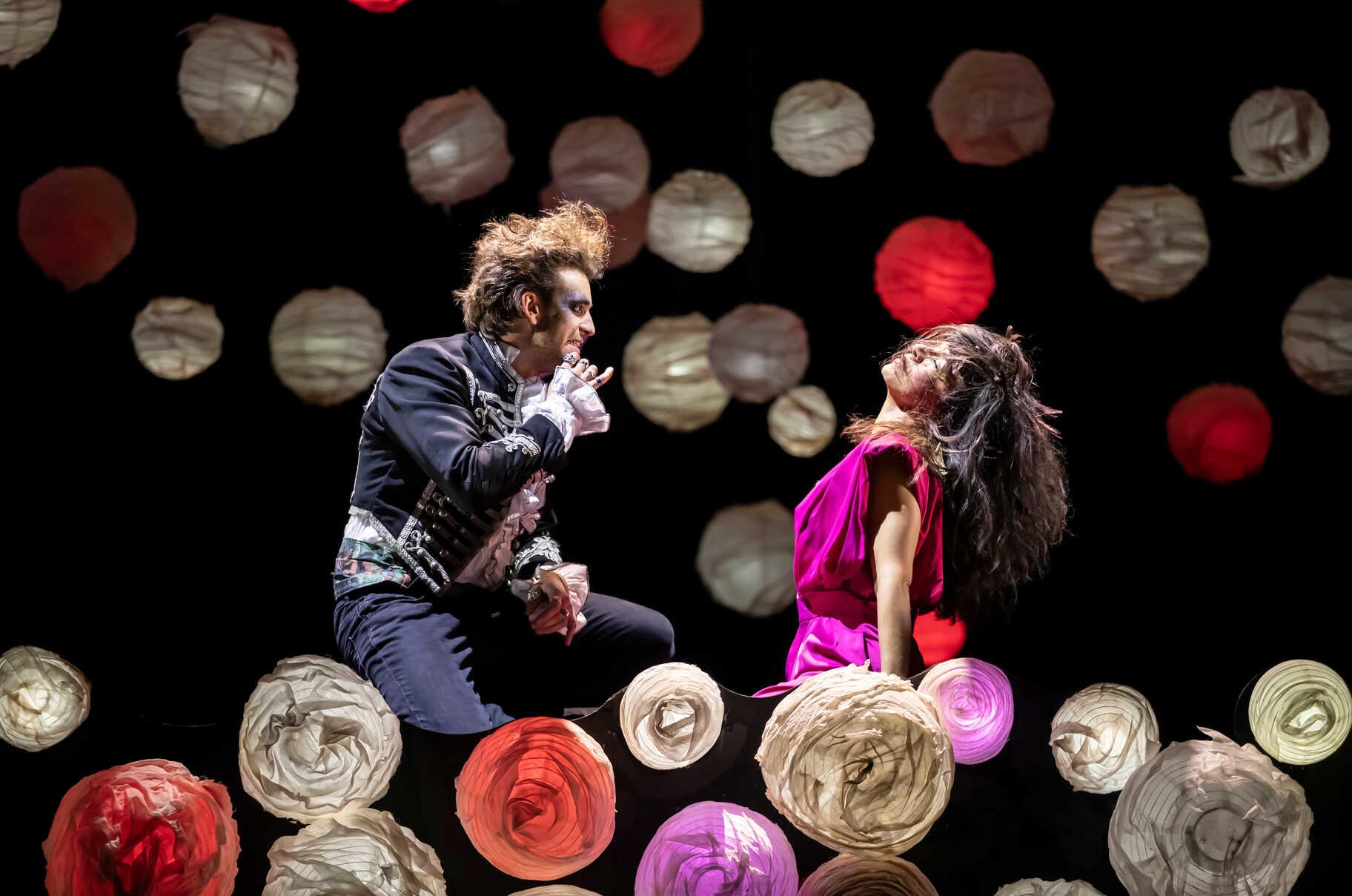
RSC’s A Midsummer Night’s Dream: Shakespeare’s Enchanted Comedy
Few Shakespeare plays capture the delight and uncertainty of falling in love quite like A Midsummer Night’s Dream. With its tangled romances, mischievous fairies and famously inept group of amateur actors, the comedy offers plenty of humour alongside a more thoughtful look at desire, imagination and the strange turns of human behaviour. The Royal Shakespeare Company (RSC) has brought the play to life in a variety of productions, making its magical world accessible to audiences of different ages.
A story of love, mischief and mistaken identity
The action begins in Athens, where Hermia is expected to marry Demetrius, despite being in love with Lysander. Hermia and Lysander escape into the nearby forest, followed by Demetrius and Helena, who loves him. Their complicated relationships soon become even more bewildering when the fairy king, Oberon, asks his servant Puck to use a magical flower to influence the lovers’ affections.
Puck’s efforts do not go to plan. The spell causes affections to shift, tempers to flare and confusion to spread through the woods. Meanwhile, a group of Athenian tradespeople are rehearsing a play to perform at court. Their earnest attempts at theatre provide some of the comedy’s best-known moments, particularly when the weaver Bottom is transformed and finds himself at the centre of the fairies’ world.
By morning, the spells have been set right, the couples are reconciled and the amateur performers present their play. The ending restores order, but leaves room for a little uncertainty: was the night’s adventure simply a dream, or did something truly extraordinary happen?
Why the play suits the RSC stage
A Midsummer Night’s Dream is a play of contrasts. The formal world of Athens gives way to the freedom and unpredictability of the forest. Royal figures share the story with ordinary craftspeople, while human characters encounter a community of fairies with its own rivalries and rules. This mix gives directors and designers plenty of scope to create striking worlds on stage.
RSC productions can draw on the company’s longstanding relationship with Shakespeare’s work, while each staging brings its own interpretation. The forest might feel playful, unsettling or dreamlike; the fairies may be comic troublemakers, powerful spirits or something in between. Rather than presenting the play as a single fixed vision, a production can make its themes speak to a contemporary audience through its casting, design, movement and use of music.
A comedy with more beneath the magic
The play’s enchantment is matched by a sharp understanding of love. Shakespeare presents affection as powerful but not always sensible: people change their minds, mistake attraction for certainty and struggle to control their feelings. The forest magnifies those uncertainties, turning romantic confusion into a comic adventure.
The amateur actors offer another perspective on performance itself. Their play-within-a-play is awkward and unintentionally funny, yet their commitment is sincere. They remind us that theatre is not only about polished technique; it is also about imagination, shared effort and the pleasure of telling a story together.
A Shakespeare classic for all ages
With its lively plot, memorable characters and opportunities for visual invention, A Midsummer Night’s Dream is often a welcoming introduction to Shakespeare. Younger audiences can enjoy the slapstick and fairy-tale magic, while adults may find new meaning in the play’s reflections on love, power and illusion.
An RSC production brings these elements together in the shared experience of live theatre. Whether the audience is drawn by Puck’s mischief, the lovers’ entanglements or the spectacle of the enchanted forest, Shakespeare’s comedy continues to offer an evening of laughter, wonder and unexpected turns.
Enchanting RSC Production: A Captivating Blend of Magic, Romance, and Comedy in ‘A Midsummer Night’s Dream’
- A magical, visually engaging story.
- A lively mix of romance and comedy.
- Memorable characters, including mischievous Puck.
- A welcoming introduction to Shakespeare.
- A classic brought to life by the RSC.
Challenges of Experiencing RSC’s *A Midsummer Night’s Dream*: Plot, Language, Humour, and Production Variability
- The plot can feel confusing at times.
- Some Shakespearean language may be difficult to follow.
- The comedy may not appeal to everyone.
- Production details can vary between performances.
A magical, visually engaging story.
One of the great strengths of the RSC’s A Midsummer Night’s Dream is its magical, visually engaging story. The enchanted forest, mischievous fairies and shifting romances give the production plenty of scope for imaginative staging, vivid costumes and striking theatrical effects. These elements bring Shakespeare’s dreamlike world to life, delighting audiences while making the play’s comedy and sense of wonder easy to enjoy.
A lively mix of romance and comedy.
One of the great pleasures of the RSC’s A Midsummer Night’s Dream is its lively mix of romance and comedy. The lovers’ tangled relationships bring tenderness and emotional tension, while mistaken identities, fairy mischief and the hapless efforts of the amateur actors keep the laughs coming. This balance makes the play entertaining and warm-hearted, with enough romantic charm and comic chaos to appeal to a wide range of audiences.
Memorable characters, including mischievous Puck.
One of the pleasures of the RSC’s A Midsummer Night’s Dream is its memorable cast of characters, from the confused lovers to the well-meaning amateur actors. Mischievous Puck is a particular highlight: playful, unpredictable and quick to turn a simple mistake into comic chaos. His lively presence helps drive the action, keeping audiences entertained as the characters’ tangled relationships take increasingly unexpected turns.
A welcoming introduction to Shakespeare.
The RSC’s A Midsummer Night’s Dream can be a welcoming introduction to Shakespeare, combining a lively story with comedy, romance and a touch of magic. Its mix of mischievous fairies, confused lovers and well-meaning amateur actors helps bring the characters and language to life, while the visual world of the play makes it easy to follow. Newcomers can enjoy the humour and spectacle, while more experienced audiences can discover fresh details in Shakespeare’s timeless tale.
A classic brought to life by the RSC.
One of the great pleasures of seeing A Midsummer Night’s Dream at the Royal Shakespeare Company is watching a much-loved classic come alive on stage. The RSC’s experience with Shakespeare brings the play’s witty language, tangled romances and mischievous magic within easy reach, while each performance adds fresh energy and imagination. The result is a production that honours the spirit of the original and invites both first-time theatre-goers and long-time Shakespeare fans to enjoy its enchantment anew.
The plot can feel confusing at times.
One drawback of the RSC’s A Midsummer Night’s Dream is that its plot can feel confusing at times. With several lovers, a group of amateur actors and a mischievous fairy world all woven together, the characters’ relationships and changing affections can be difficult to follow, particularly when magic causes sudden switches in who loves whom. This complexity adds to the play’s comic chaos, but some audience members may find it hard to keep track of events as the story unfolds.
Some Shakespearean language may be difficult to follow.
One possible drawback of the RSC’s A Midsummer Night’s Dream is that some of Shakespeare’s language may be difficult to follow, particularly for audiences who are new to his plays. Unfamiliar words, poetic phrasing and rapid exchanges can make parts of the story feel less accessible, so viewers may occasionally miss a joke or an important detail. Clear performances and staging can help, but the language may still require extra concentration.
The comedy may not appeal to everyone.
The comedy in the RSC’s A Midsummer Night’s Dream may not appeal to everyone. Its mistaken identities, wordplay and deliberately clumsy performance scenes can feel broad or old-fashioned to audiences who prefer more subtle humour. Some may also find the lovers’ repeated mix-ups a little chaotic, even though that confusion is central to the play’s comic charm.
Production details can vary between performances.
One drawback of the RSC’s A Midsummer Night’s Dream is that production details can vary between performances. Cast members, staging choices or other elements may change, so the experience may not be exactly the same for every audience. It is worth checking the latest information with the RSC before booking, particularly if there is a specific performer or feature you are hoping to see.
Tags: a midsummer nights dream, amateur actors, athens, audiences of all ages, bottom, classic play, demetrius, desire, enchanted forest, fairies, helena, hermia, imagination, live performance, love, lysander, magic, mistaken identity, oberon, puck, rsc, rsc midsummer night's dream, shakespearean comedy, theatre, william shakespeare