
Exploring Powerful Performance Art Examples: Pushing Boundaries and Inspiring Change
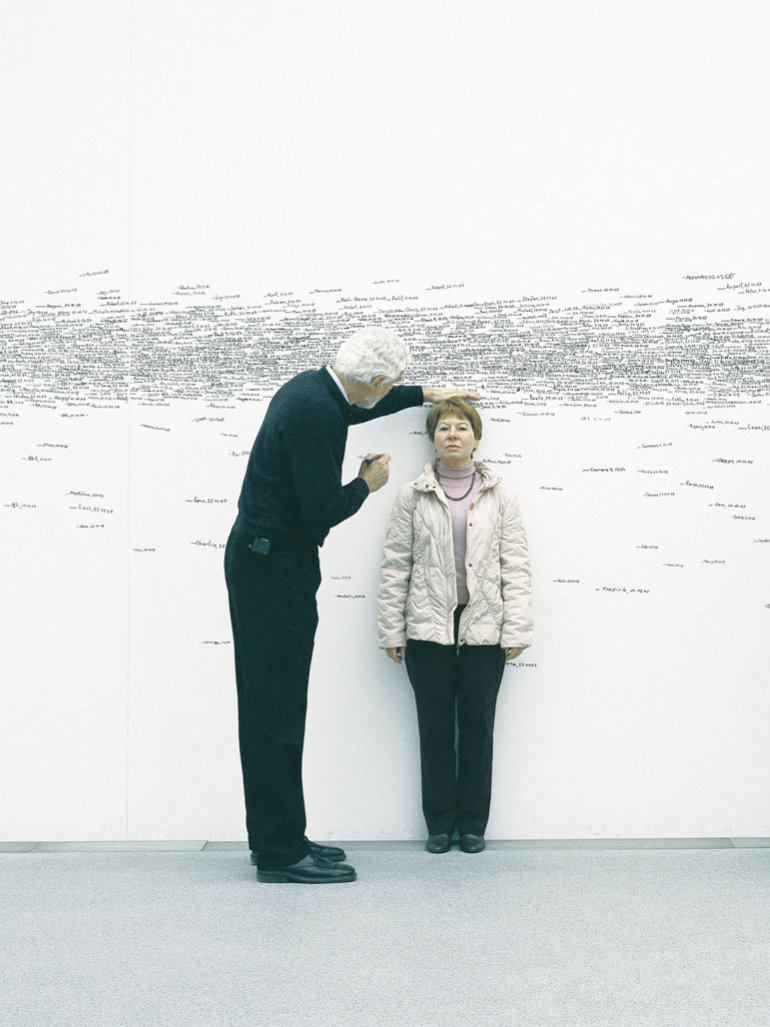
Exploring Performance Art: Examples That Push Boundaries
Performance art is a dynamic and boundary-pushing form of artistic expression that challenges traditional notions of art. Artists use their bodies, actions, and presence to convey powerful messages and evoke emotional responses from their audience. Here are some examples of performance art that have left a lasting impact:
Marina Abramović’s “The Artist is Present”
Marina Abramović’s performance piece at the Museum of Modern Art in New York involved her sitting silently at a table for 736 hours, inviting visitors to sit across from her and share a moment of connection. The piece explored themes of presence, vulnerability, and human connection.
Yoko Ono’s “Cut Piece”
In this groundbreaking performance, Yoko Ono invited the audience to approach her and cut pieces of her clothing away until she was left exposed. The piece challenged notions of power, vulnerability, and consent, sparking conversations about gender roles and autonomy.
Joseph Beuys’ “I Like America and America Likes Me”
Joseph Beuys famously spent three days in a gallery space with a wild coyote as part of this performance. Through this unconventional interaction, Beuys explored ideas of identity, communication, and the relationship between humans and nature.
Tehching Hsieh’s “One Year Performance”
Tehching Hsieh’s year-long performances pushed the boundaries of endurance and self-discipline. In one piece, he lived in a cage for a year without any contact with the outside world. These works challenge our understanding of time, space, and the limits of the human body.
These examples represent just a fraction of the diverse and thought-provoking world of performance art. By pushing boundaries, challenging norms, and inviting audiences to engage with art in new ways, performance artists continue to inspire us and provoke important conversations about society, identity, and human experience.
Exploring the Impact of Performance Art: 8 Key Advantages
- Performance art challenges traditional artistic boundaries.
- It encourages audience engagement and interaction.
- Performance art can evoke strong emotional responses.
- It allows artists to explore complex themes and concepts in a unique way.
- Performance art is often thought-provoking and sparks important conversations.
- It offers a platform for artists to express themselves freely and creatively.
- Performance art can be immersive, creating memorable experiences for viewers.
- It pushes the limits of creativity and experimentation in the art world.
Challenges of Performance Art: Understanding, Emotional Intensity, Logistical Issues, and Ephemerality
- Audience may find performance art challenging to understand or appreciate due to its abstract and unconventional nature.
- Performance art can be emotionally intense and may evoke strong reactions that some viewers may find uncomfortable or distressing.
- Logistical challenges such as limited viewing space, timing constraints, and accessibility issues can impact the audience’s experience of performance art.
- The ephemeral nature of performance art means that once the performance is over, it exists only in memory or documentation, potentially limiting its accessibility to a wider audience.
Performance art challenges traditional artistic boundaries.
Performance art serves as a powerful proponent in challenging traditional artistic boundaries by pushing the limits of what is considered art. Through innovative use of the body, actions, and presence, performance artists disrupt conventional norms and expectations, inviting audiences to engage with art in unconventional ways. By breaking free from traditional mediums and techniques, performance art opens up new avenues for exploration, expression, and interpretation, ultimately expanding the definition of art itself.
It encourages audience engagement and interaction.
Performance art examples excel in encouraging audience engagement and interaction, creating a dynamic and immersive experience for viewers. By breaking down the traditional barriers between artist and audience, performance art invites spectators to become active participants in the artistic process. This direct involvement not only fosters a deeper connection between the viewer and the artwork but also challenges conventional notions of passive observation, sparking dialogue and reflection that extend beyond the confines of the performance space. Audience engagement in performance art exemplifies the power of art to unite individuals, provoke meaningful interactions, and inspire collective experiences that resonate long after the curtain falls.
Performance art can evoke strong emotional responses.
Performance art has the unique ability to evoke strong emotional responses from its audience. Through the power of live action, movement, and presence, performance artists can create immersive experiences that resonate deeply with viewers. Whether through moments of vulnerability, intensity, or raw authenticity, performance art has the capacity to elicit a wide range of emotions, from joy and awe to contemplation and introspection. This emotional connection forged between the artist and the audience is what makes performance art such a compelling and impactful form of artistic expression.
It allows artists to explore complex themes and concepts in a unique way.
Performance art provides artists with a distinctive platform to delve into intricate themes and concepts in a manner that transcends traditional artistic boundaries. Through the medium of performance, artists can convey profound ideas and emotions in a dynamic and interactive way, engaging audiences on a visceral level. By immersing themselves in the physicality of their art, performers can explore complex topics with depth and nuance, offering viewers a fresh perspective and prompting deeper contemplation. This unique approach enables artists to push the boundaries of creativity and expression, fostering a deeper understanding of the world around us.
Performance art is often thought-provoking and sparks important conversations.
Performance art serves as a thought-provoking medium that ignites essential dialogues and reflections. Through the unconventional and often daring expressions of performance artists, important conversations are sparked, challenging societal norms and prompting viewers to delve deeper into complex themes. By pushing boundaries and defying conventions, performance art compels audiences to confront uncomfortable truths, question established beliefs, and engage in meaningful discussions about the world we inhabit.
It offers a platform for artists to express themselves freely and creatively.
Performance art provides a unique platform for artists to express themselves freely and creatively, unrestricted by the conventions of traditional art forms. Through the use of their bodies, actions, and presence, artists can convey their deepest emotions, thoughts, and messages in a raw and unfiltered manner. This freedom allows for innovative and boundary-pushing expressions that challenge societal norms, provoke critical thinking, and spark meaningful conversations. By embracing this form of artistic expression, artists can truly explore the depths of their creativity and share their authentic selves with audiences in a powerful and evocative way.
Performance art can be immersive, creating memorable experiences for viewers.
Performance art has the unique ability to immerse viewers in a captivating and unforgettable experience. By breaking down the barriers between artist and audience, performance art invites viewers to step into the world of the artwork, engaging all their senses and emotions. Through this immersive quality, performance art has the power to leave a lasting impact on viewers, creating moments that resonate long after the performance has ended.
It pushes the limits of creativity and experimentation in the art world.
Performance art examples push the boundaries of creativity and experimentation in the art world, challenging conventional artistic norms and inviting artists to explore new realms of expression. By breaking free from traditional artistic constraints, performance art opens up a space for innovation, risk-taking, and unconventional approaches to storytelling. Artists in this genre are constantly pushing themselves to think outside the box, creating immersive experiences that defy expectations and redefine what art can be. Performance art serves as a catalyst for pushing the limits of creativity and experimentation, inspiring artists and audiences alike to embrace bold new ideas and perspectives.
Audience may find performance art challenging to understand or appreciate due to its abstract and unconventional nature.
Performance art, with its abstract and unconventional nature, can present a challenge for audiences in terms of understanding and appreciation. The lack of traditional narrative structure or easily discernible meaning may leave viewers feeling perplexed or disconnected from the artwork. The emphasis on concepts such as presence, interaction, and symbolism can sometimes be difficult to interpret without prior knowledge or context. However, this very aspect of challenge is what makes performance art intriguing and thought-provoking, pushing viewers to engage more deeply with the art form and prompting them to question their preconceived notions of what art can be.
Performance art can be emotionally intense and may evoke strong reactions that some viewers may find uncomfortable or distressing.
Performance art, with its raw and unfiltered nature, has the power to evoke intense emotions and provoke strong reactions from viewers. The immersive experience offered by performance art can sometimes push boundaries to a point where audiences may feel uncomfortable or even distressed. The emotional intensity of such artistic expressions challenges viewers to confront their own beliefs, biases, and vulnerabilities, fostering a deeper engagement with the themes and messages conveyed by the artists. Embracing discomfort as part of the artistic journey, performance art invites us to explore the complexities of human emotions and experiences in ways that traditional art forms may not always achieve.
Logistical challenges such as limited viewing space, timing constraints, and accessibility issues can impact the audience’s experience of performance art.
Logistical challenges present a significant con in the realm of performance art examples. Issues such as limited viewing space, timing constraints, and accessibility barriers can hinder the audience’s ability to fully engage with and appreciate the artistic experience. When viewers are unable to find suitable vantage points, when performances are scheduled at inconvenient times, or when accessibility concerns prevent certain individuals from participating, the impact and effectiveness of the performance art may be compromised. These logistical hurdles underscore the importance of careful planning and consideration to ensure that all audience members have equal opportunities to connect with and immerse themselves in the world of performance art.
The ephemeral nature of performance art means that once the performance is over, it exists only in memory or documentation, potentially limiting its accessibility to a wider audience.
The ephemeral nature of performance art presents a significant challenge as it means that once the performance concludes, it exists solely in memory or documentation. This characteristic can limit the accessibility of performance art to a wider audience, as those who did not witness the live event may struggle to fully grasp its impact and significance. Unlike static artworks that can be displayed indefinitely in galleries, performance art relies on the momentary experience shared between the artist and the audience, making it inherently transient and exclusive to those present during its enactment. Efforts to preserve and disseminate documentation of performances become crucial in bridging this gap and ensuring that the essence of these fleeting artistic expressions is captured and shared with a broader public.
Tags: actions, artistic expression, artists, audience engagement, bodies, challenging, emotional responses, examples, immersive experience, interaction, marina abramović's the artist is present, performance art, performance art examples, powerful messages, presence, tehching hsieh's one year performance, traditional boundaries, yoko ono's cut piece