
Light Fixture Humming: Common Causes and What to Do Next
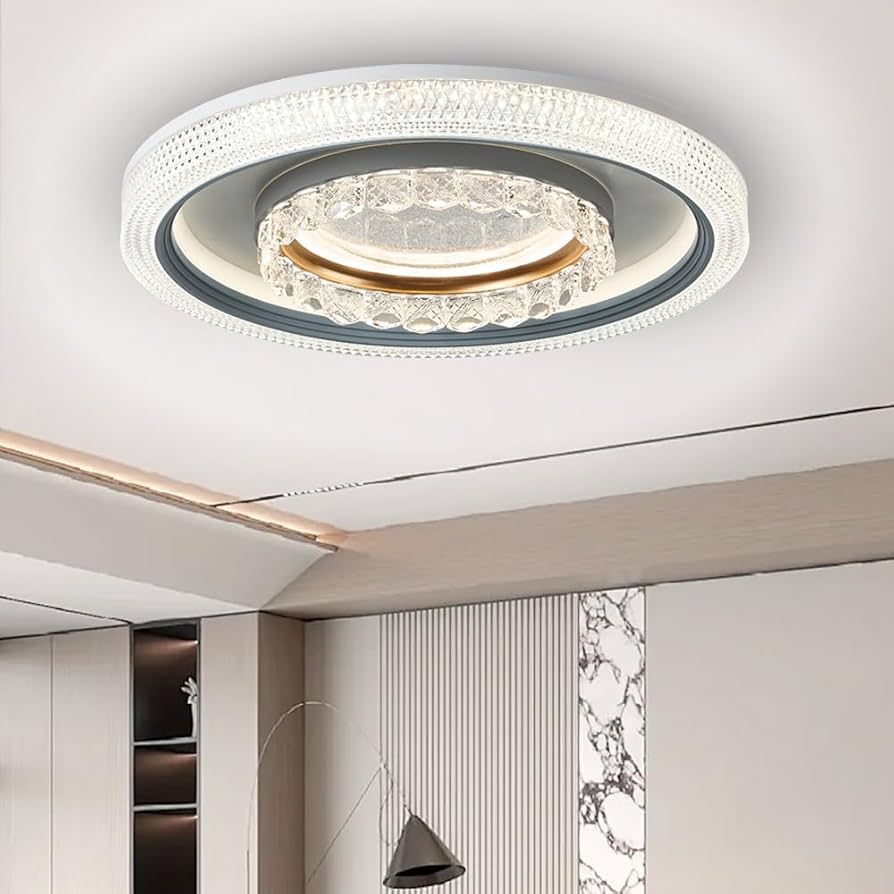
Why Is My Light Fixture Humming?
A humming light fixture can be distracting, especially in a quiet room. The sound may be faint and harmless, but it can also point to a compatibility issue, a worn component or an electrical fault. Working out when the noise occurs can help you identify the cause and decide what to do next.
Common causes of a humming light
LED bulbs and dimmer switches
One of the most common causes is an LED bulb used with a dimmer that is not designed for LED lighting. Older dimmer switches may work well with incandescent bulbs but can cause some LEDs to buzz or hum, particularly when the light is dimmed. The bulb and dimmer may also be incompatible even if both are described as dimmable.
Check the bulb packaging and the dimmer’s instructions to see whether they are compatible. Using a suitable LED dimmer or a different compatible bulb may resolve the noise. If you are unsure how to replace a switch, ask a qualified electrician.
Fluorescent fittings and ballasts
Fluorescent lights use a component called a ballast to regulate the electrical current. A slight buzz can occur as the ballast operates, but a louder or worsening hum may mean that it is loose or reaching the end of its working life. Flickering, slow starting or inconsistent brightness can be further signs of a problem.
Some fluorescent fittings contain parts that should only be inspected or replaced by someone competent to work on electrical equipment. If the fitting is old, noisy or behaving erratically, arrange for it to be checked.
Loose parts or vibration
A loose bulb, shade, cover or fixing can vibrate when the light is on and create a humming or rattling sound. Once the light has been switched off and the bulb has cooled, check that the bulb is fitted correctly and that accessible external parts are secure. Do not remove covers or touch wiring.
A faulty bulb or fitting
A bulb may hum because it is damaged or poorly made. Try a known-good bulb of the correct type and wattage, following the manufacturer’s instructions. If the sound continues with a replacement bulb, the issue may lie with the fitting, switch or wiring rather than the bulb itself.
What to do about a humming fixture
- Notice when it happens. Does the hum start only when the light is dimmed, or does it occur at full brightness too? Is there flickering or a change in brightness?
- Switch the light off. Allow the bulb to cool before checking that it is correctly fitted. Avoid opening the fixture or handling wiring.
- Check bulb and dimmer compatibility. Follow the guidance supplied with both products. A bulb labelled “dimmable” may not work with every dimmer.
- Try a suitable replacement bulb. Use the correct bulb type and stay within the fitting’s stated limits.
- Contact an electrician if the noise persists. This is especially important if the fixture is old, the sound is getting louder or the cause is not obvious.
When is a humming light dangerous?
A quiet, steady hum may be caused by a bulb or dimmer compatibility issue, but certain symptoms need prompt attention. Switch off the light at the wall, and if it is safe to do so, isolate the circuit at the consumer unit if you notice:
- a burning smell, smoke or visible sparks;
- scorch marks, discolouration or unusual heat around the fitting or switch;
- crackling, popping or a sudden increase in noise;
- repeated flickering, the light cutting out, or a tripped circuit.
Do not use the light again until it has been checked by a qualified electrician. If there is smoke or a fire, leave the area and call the emergency services.
Can a humming light be fixed without replacing the fitting?
Often, yes. A compatible LED bulb, the correct dimmer or a securely fitted external component may solve the problem. However, humming caused by a failing ballast, damaged fitting or wiring fault requires proper assessment. Never try to repair wiring while the power is on, and do not dismantle a fitting unless you are competent to do so.
A light fixture that hums should not automatically be treated as an emergency, but it should not be ignored if the noise is persistent or accompanied by other warning signs. Checking the bulb and dimmer compatibility is a sensible first step; for anything involving wiring or a suspected fault, use a qualified electrician.
Benefits of Addressing Light Fixture Humming: Safety, Efficiency, and Easy Solutions
- Can reveal an incompatible bulb or dimmer.
- May alert you to a loose component.
- Early checks can prevent further damage.
- Replacing a faulty bulb is often straightforward.
- A prompt inspection can improve safety.
Seven Reasons Your Light Fixture’s Humming Could Be a Cause for Concern
- Can be distracting in quiet rooms.
- May indicate an incompatible bulb and dimmer.
- Could signal a worn ballast.
- May point to loose fixture parts.
- Can accompany flickering or uneven light.
- Persistent noise may need an electrician’s attention.
- Electrical faults can pose a safety risk.
Can reveal an incompatible bulb or dimmer.
A humming light fixture can be a useful warning that the bulb and dimmer are incompatible. This is common with some LED bulbs paired with older or unsuitable dimmer switches, and may also cause flickering or uneven brightness. Checking the product specifications and choosing a compatible bulb or dimmer can often stop the noise and help the light work properly.
May alert you to a loose component.
A humming light fixture may alert you to a loose component, such as a bulb, shade or fitting that is vibrating when the light is on. Noticing the sound can prompt you to switch the light off, let it cool and check that accessible parts are secure. However, avoid opening the fitting or handling wiring; if the hum persists or comes with flickering, heat or a burning smell, contact a qualified electrician.
Early checks can prevent further damage.
Checking a humming light fixture early can help identify a loose part, incompatible bulb or failing component before the problem gets worse. Dealing with the cause promptly may prevent further damage to the fitting or electrical system, and help avoid a more costly repair later. If the fixture is hot, smells of burning, flickers or makes a crackling sound, switch it off and contact a qualified electrician.
Replacing a faulty bulb is often straightforward.
One advantage of a humming light fixture is that the cause may be a faulty bulb, which is often straightforward to replace. Once the light is switched off and the bulb has cooled, fit a compatible replacement that meets the fixture’s requirements. If the humming continues, the problem may lie with the dimmer, fitting or wiring, so seek advice from a qualified electrician.
A prompt inspection can improve safety.
A humming light fixture can be a useful early warning sign, prompting you to have it inspected before a minor issue becomes more serious. An electrician can check for loose connections, worn components or incompatible bulbs and dimmers, helping to identify potential hazards and improve the safety of your lighting.
Can be distracting in quiet rooms.
A humming light fixture can be particularly distracting in quiet rooms, where even a faint, steady noise is more noticeable. It may interrupt concentration while working or reading, make it harder to relax, and disturb the calm of a bedroom or living space.
May indicate an incompatible bulb and dimmer.
A humming light fixture may indicate that the bulb and dimmer switch are incompatible. This is common when an LED bulb is used with an older dimmer designed for incandescent lamps, and the noise may be more noticeable when the light is dimmed. Check the manufacturers’ guidance to confirm that both products are compatible; using a suitable bulb or LED dimmer may stop the hum.
Could signal a worn ballast.
A persistent hum from a fluorescent light fixture could signal that its ballast is worn or failing. The ballast regulates the electrical current, and as it deteriorates, the fitting may become noisier or start to flicker. Have the fixture checked by a qualified electrician, particularly if the hum is getting louder or the light is behaving erratically.
May point to loose fixture parts.
A humming light fixture may be vibrating because one or more parts, such as the bulb, shade or cover, are loose. The vibration can create a steady buzz or rattle, which may become more noticeable when the light is on. Switch off the light and let the bulb cool before checking that accessible parts are secure; if the noise continues or appears to come from inside the fitting, ask a qualified electrician to inspect it.
Can accompany flickering or uneven light.
A humming light fixture can sometimes be accompanied by flickering or uneven light, such as brightness that pulses, dims unexpectedly or varies across the room. This may be caused by an incompatible bulb and dimmer, a failing ballast or another electrical fault. If the flickering persists, worsens or occurs alongside a burning smell, unusual heat or crackling, switch off the light and contact a qualified electrician.
Persistent noise may need an electrician’s attention.
Persistent humming can be more than a minor annoyance: it may indicate a loose connection, a failing component or another electrical fault. If the noise continues after checking the bulb and dimmer compatibility, or is accompanied by flickering, a burning smell or unusual heat, stop using the light and contact a qualified electrician. Don’t open the fitting or attempt electrical repairs yourself.
Electrical faults can pose a safety risk.
Electrical faults can make a humming light fixture more than just a nuisance. A persistent or worsening hum may indicate damaged wiring or a failing component, which could lead to overheating, electric shock or fire. If the fixture is also flickering, unusually warm, crackling or giving off a burning smell, switch it off and contact a qualified electrician.
Tags: ballast, burning smell, dimmer switch compatibility, electrical fault, faulty bulb, flickering lights, fluorescent lights, humming light, humming light fixture, led bulbs, led dimmer, light fixture humming, light fixture noise, light fixture safety, loose bulb, qualified electrician, replacement bulb, vibrating light fixture, wiring fault