
The Enigmatic Allure of Hamlet’s Costume: Bringing Shakespearean Drama to Life
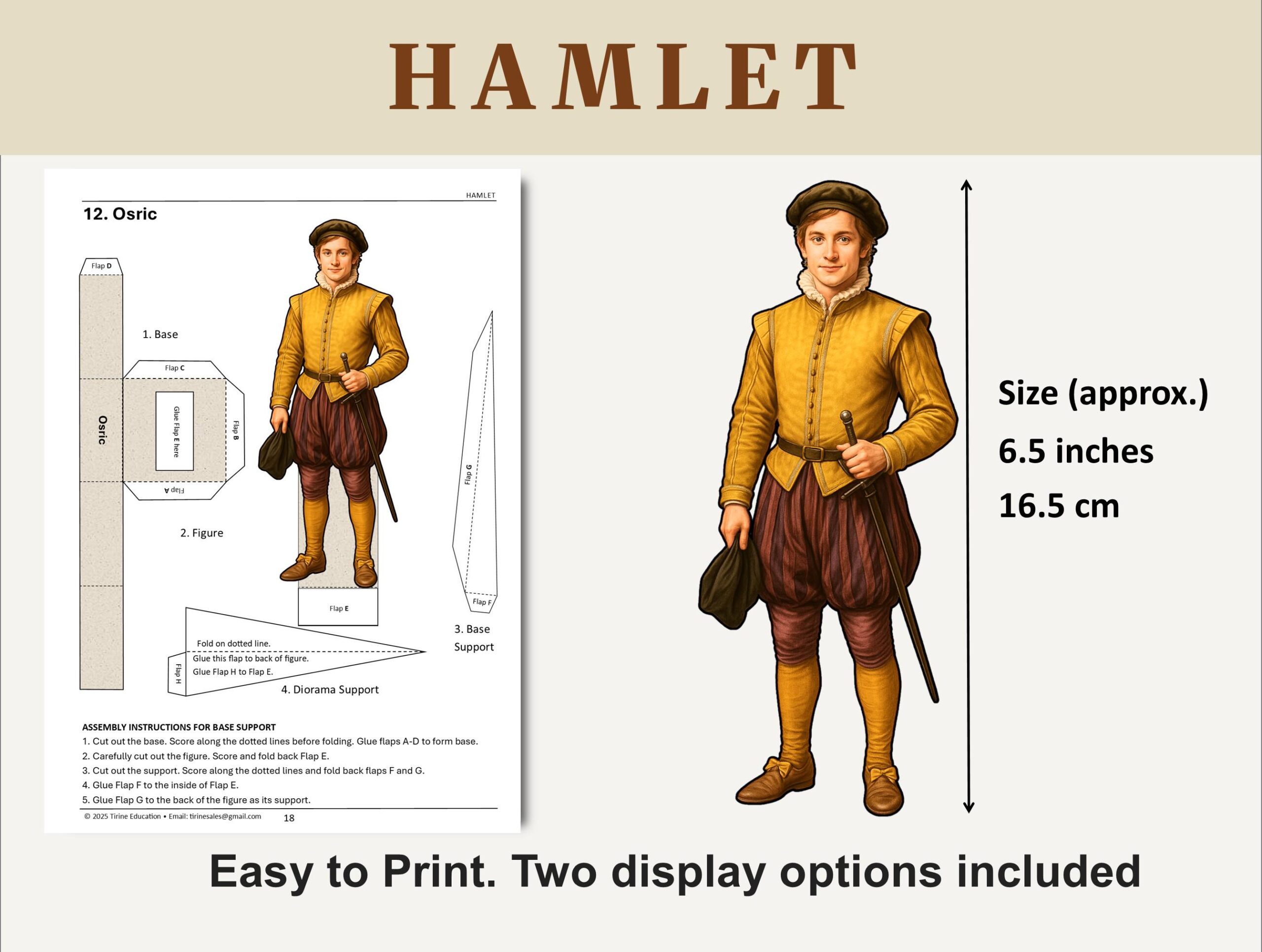
The Intriguing World of Hamlet Costumes
Costumes play a vital role in bringing Shakespeare’s timeless tragedy, Hamlet, to life on stage. The intricate designs and choices made in costume selection can enhance the audience’s understanding of the characters and the overall mood of the play.
Hamlet himself is often portrayed in dark, sombre colours to reflect his melancholic nature and internal struggles. The iconic black doublet and hose are synonymous with the character, symbolising his grief and inner turmoil.
Queen Gertrude’s costumes, on the other hand, are typically opulent and regal, reflecting her status as queen. Rich fabrics, elaborate embroidery, and jewellery are commonly used to convey her royal position.
The ghost of King Hamlet is often depicted in haunting white or ghostly attire, adding an eerie presence to the scenes in which he appears. These ethereal costumes help create a sense of foreboding and mystery surrounding the character.
Costume designers for Hamlet must carefully consider not only historical accuracy but also how each costume choice contributes to the overall themes and atmosphere of the play. From traditional Elizabethan garb to modern interpretations, there is ample room for creativity and innovation in bringing Hamlet’s world to life through costume.
As audiences continue to be captivated by Shakespeare’s enduring masterpiece, the artistry behind Hamlet costumes remains a crucial element in immersing viewers in the world of tragedy, revenge, and betrayal that unfolds on stage.
Crafting the Perfect Hamlet Costume: 7 Essential Tips for an Authentic Medieval Look
- Choose a costume that reflects the medieval setting of Hamlet.
- Consider using dark and earthy colours for a more sombre and dramatic look.
- Incorporate elements like ruffled collars, doublets, and cloaks for authenticity.
- Accessorize with props like swords or daggers to enhance the character’s persona.
- Opt for high-quality fabrics to add richness to the costume.
- Pay attention to details such as lace trims or embroidery for a polished finish.
- Make sure the costume allows freedom of movement for acting out scenes effectively.
Choose a costume that reflects the medieval setting of Hamlet.
When selecting a costume for a production of Hamlet, it is essential to choose attire that aligns with the medieval setting of the play. Opting for garments that reflect the fashion and style of the Elizabethan era can enhance the authenticity and immersion of the performance. From doublets and hose to intricate embroidery and rich fabrics, incorporating medieval elements into the costumes can transport both actors and audience members back in time, creating a more immersive and compelling theatrical experience.
Consider using dark and earthy colours for a more sombre and dramatic look.
When selecting costumes for Hamlet, it is advisable to opt for dark and earthy colours to achieve a more sombre and dramatic aesthetic. These hues can effectively convey the melancholic nature of the characters and enhance the overall mood of the play. By incorporating shades such as deep blacks, rich browns, and muted greens, costume designers can capture the essence of Hamlet’s internal struggles and bring a sense of depth and intensity to the visual portrayal of the characters on stage.
Incorporate elements like ruffled collars, doublets, and cloaks for authenticity.
To achieve authenticity in Hamlet costumes, incorporating elements such as ruffled collars, doublets, and cloaks is essential. These traditional Elizabethan garments not only add historical accuracy to the production but also help transport the audience back to the setting of Shakespeare’s iconic tragedy. Ruffled collars evoke a sense of elegance and formality, while doublets and cloaks lend a dramatic flair to the characters, enhancing their presence on stage. By paying attention to these intricate details, costume designers can effectively capture the essence of the time period and enrich the visual storytelling of Hamlet.
Accessorize with props like swords or daggers to enhance the character’s persona.
Accessorizing Hamlet’s costume with props such as swords or daggers can significantly enhance the character’s persona on stage. These props not only add a visual element to the performance but also help to convey Hamlet’s complex emotions and internal conflicts. The presence of a sword or dagger can symbolize themes of power, violence, and revenge that are central to Hamlet’s character arc, adding depth and intensity to the portrayal. By incorporating these props thoughtfully into the costume design, actors can bring an additional layer of authenticity and drama to their interpretation of Shakespeare’s iconic prince.
Opt for high-quality fabrics to add richness to the costume.
When selecting costumes for a production of Hamlet, opting for high-quality fabrics can significantly enhance the richness and authenticity of the characters’ attire. The choice of luxurious materials not only adds visual appeal but also elevates the overall aesthetic of the costumes, bringing a sense of opulence and sophistication to the stage. By investing in quality fabrics, costume designers can capture the essence of each character more effectively, immersing both actors and audience members in the world of Shakespeare’s iconic tragedy.
Pay attention to details such as lace trims or embroidery for a polished finish.
When crafting Hamlet costumes, it is essential to pay meticulous attention to details such as lace trims or embroidery to achieve a polished finish. These intricate embellishments can elevate the overall look of the costumes, adding depth and authenticity to the characters. By focusing on fine details, costume designers can bring a sense of richness and texture to the garments, enhancing the visual impact on stage and immersing the audience further into the world of Shakespeare’s iconic tragedy.
Make sure the costume allows freedom of movement for acting out scenes effectively.
When selecting a costume for portraying a character in Hamlet, it is essential to ensure that the attire allows for freedom of movement. The ability to move comfortably and fluidly on stage is crucial for actors to effectively convey emotions and act out scenes with authenticity. A well-designed costume that permits unrestricted movement not only enhances the actor’s performance but also contributes to the overall success of the production by enabling seamless execution of dramatic sequences and interactions between characters.
Tags: cloaks, daggers, dark and earthy colours, doublets, hamlet costume, hamlet costumes, medieval setting, ruffled collars, swords