
Safety Curtain Theatre: How This Essential Fire-Safety Feature Protects Audiences and Performers
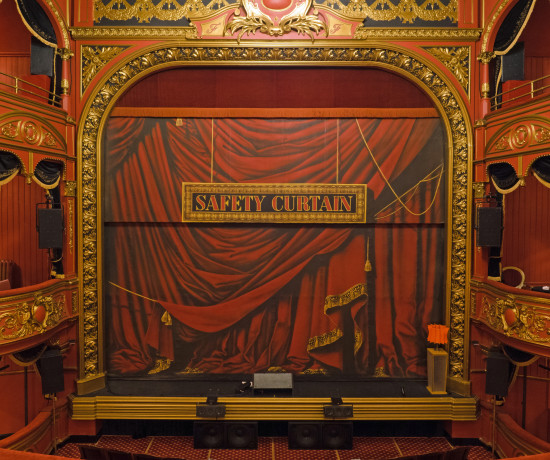
Safety Curtains in Theatre: What They Are and Why They Matter
A safety curtain is a fire-resistant barrier fitted between the stage and the auditorium in many theatres with a proscenium arch. Usually hidden above the stage opening, it can be lowered to separate the two spaces if a fire or other emergency occurs. Though audiences may barely notice it during a performance, it is an important part of a theatre’s fire-safety arrangements.
What does a theatre safety curtain do?
The stage can contain scenery, costumes, lighting equipment and other materials that may contribute to a fire. The auditorium, meanwhile, is where audiences gather and where escape routes must remain usable. A safety curtain is designed to help limit the spread of fire, heat and smoke from the stage towards the auditorium, giving people more time to leave and staff and emergency services more time to respond.
It is not a complete seal, nor does it make a fire harmless. Its effectiveness depends on its design, condition, correct operation and the building’s wider fire precautions. These include alarms, emergency lighting, clear exits, staff procedures and suitable fire protection throughout the venue.
How is a safety curtain operated?
In a traditional arrangement, the curtain is stored above the proscenium opening and lowered into place using a counterweight or powered mechanism. It may be operated manually or connected to a control system. Depending on the theatre’s design, it can be released in response to an emergency or lowered as part of a planned test.
The curtain must travel freely and come down without obstruction. Scenery, equipment or temporary structures must not block its path. Theatre staff need to understand how the system works, what to do if it fails and how its operation fits into the venue’s emergency plan.
A feature audiences may see in action
Some theatres lower the safety curtain at the end of a performance, often before the final applause or while the audience is leaving. This can allow scenery changes to take place out of view and may also provide a convenient opportunity for a routine check. The practice varies from venue to venue; a curtain being lowered at the end of a show does not, by itself, indicate an emergency.
From “iron curtain” to modern systems
Safety curtains are sometimes known as fire curtains or, historically, iron curtains. The older term reflects the heavy barriers used in some theatres, although modern systems can use different materials and engineering arrangements. Their purpose remains broadly the same: to provide a barrier at the stage opening as part of the theatre’s overall fire strategy.
Inspection and maintenance
A safety curtain is only useful if it is ready to work when required. Regular inspection and maintenance should be carried out by suitably competent people, following the system manufacturer’s instructions and the venue’s fire-safety procedures. Checks may include the curtain’s condition, its guides and supports, the release mechanism, controls and the area through which it travels.
The appropriate inspection and testing schedule depends on the system and the building. Theatre operators should seek advice from qualified fire-safety and engineering professionals, keep suitable records and make sure any faults are addressed promptly. Staff should also be trained in the actions expected of them during an alarm or evacuation.
Part of a wider safety plan
A safety curtain does not replace other precautions, and not every performance space has one. The design of a venue, its use and its fire strategy determine what protective measures are needed. In the UK, theatre operators must manage fire risks and maintain appropriate safety arrangements for their premises. Specific requirements can depend on the building and its circumstances, so advice should be sought from the relevant fire-safety professionals and authorities.
When the house lights are low and the stage is alive with activity, the safety curtain may be almost invisible. Behind the scenes, however, it is a carefully managed piece of equipment—one that helps theatres protect performers, staff and audiences while keeping the show going safely.
Understanding Theatre Safety Curtains: Essential FAQs Answered
- What is a safety curtain in a theatre?
- What is the purpose of a theatre safety curtain?
- How does a theatre safety curtain work?
- When is a safety curtain lowered during a performance?
- Are theatre safety curtains fireproof?
- What is the difference between a safety curtain and a fire curtain?
- Do all theatres have a safety curtain?
- How often should a theatre safety curtain be inspected and tested?
- What should theatre staff do if the safety curtain fails to operate?
What is a safety curtain in a theatre?
A safety curtain is a fire-resistant barrier fitted across the opening between a theatre stage and auditorium. Usually stored above the stage, it can be lowered in an emergency to help limit the spread of fire, heat and smoke into the audience area, allowing more time for people to evacuate. It is one part of a theatre’s wider fire-safety arrangements, alongside alarms, clear escape routes and staff procedures.
What is the purpose of a theatre safety curtain?
A theatre safety curtain is a fire-resistant barrier between the stage and the auditorium. In an emergency, it can be lowered to help limit the spread of fire, heat and smoke from the stage, giving the audience and staff more time to evacuate. It forms part of a venue’s wider fire-safety arrangements and does not replace alarms, clear escape routes or other precautions.
How does a theatre safety curtain work?
A theatre safety curtain is a fire-resistant barrier stored above the proscenium arch and lowered to separate the stage from the auditorium if needed. It is operated by a release mechanism, often using gravity, counterweights or a powered system, and is designed to help slow the spread of fire, heat and smoke, giving people more time to evacuate. It is one part of a venue’s wider fire-safety measures, so it must be kept clear, regularly maintained and operated in line with the theatre’s emergency procedures.
When is a safety curtain lowered during a performance?
A safety curtain is not normally lowered during a performance. It may be brought down if there is a fire or another emergency, in line with the theatre’s safety procedures, to help separate the stage from the auditorium. Some theatres also lower it at the end of a performance, or during a planned test, but practices vary by venue.
Are theatre safety curtains fireproof?
Theatre safety curtains are designed to resist fire and help slow the spread of flames, heat and smoke between the stage and auditorium, but “fireproof” is not quite accurate. Their performance depends on the curtain’s specification, condition and correct operation, and they are only one part of a venue’s wider fire-safety measures. Regular inspection and maintenance are essential, and a safety curtain should never be treated as a guarantee that a fire cannot spread.
What is the difference between a safety curtain and a fire curtain?
The terms “safety curtain” and “fire curtain” are often used interchangeably in theatres to describe a barrier that can be lowered across the stage opening to help limit the spread of fire and smoke into the auditorium. “Safety curtain” is the traditional theatre term, while “fire curtain” more directly describes its fire-protection function. The exact materials, design and operation can vary between venues, so the relevant theatre’s documentation is the best source for details.
Do all theatres have a safety curtain?
No, not all theatres have a safety curtain. Whether one is required depends on the venue’s design, size, layout and fire-safety strategy; some theatres use other measures to help prevent fire and smoke from spreading. If you’re unsure about a particular venue, ask its staff or check its safety information.
How often should a theatre safety curtain be inspected and tested?
A theatre safety curtain should be inspected and tested at intervals set by the system manufacturer, the venue’s fire-risk assessment and relevant fire-safety guidance. Checks should be carried out by suitably competent people, with any faults repaired promptly and records kept. Because requirements can vary according to the curtain and the building, theatre operators should confirm the appropriate schedule with a qualified fire-safety or engineering professional rather than relying on a single frequency for every venue.
What should theatre staff do if the safety curtain fails to operate?
If the safety curtain fails to operate during an emergency, theatre staff should follow the venue’s emergency plan immediately: raise the alarm, stop the performance and begin the appropriate evacuation procedures, directing audiences and colleagues towards clear exits. Notify the duty manager and contact the fire and rescue service where required. Staff should not try to force the curtain down or repair the mechanism unless they are specifically trained and the emergency plan directs them to do so. Keep people away from the stage opening and report the fault so the system can be checked by a competent professional before it is used again.
Tags: audience safety, auditorium, counterweight mechanism, curtain operation, emergency evacuation, emergency plan, fire curtain, fire prevention, fire risk management, fire safety, fire-resistant barrier, inspection and maintenance, iron curtain, performers, proscenium arch, safety curtain theatre, smoke containment, staff training, stage, theatre safety, theatre safety curtain