
Unlocking Creativity: The Power of Modular Stage Design
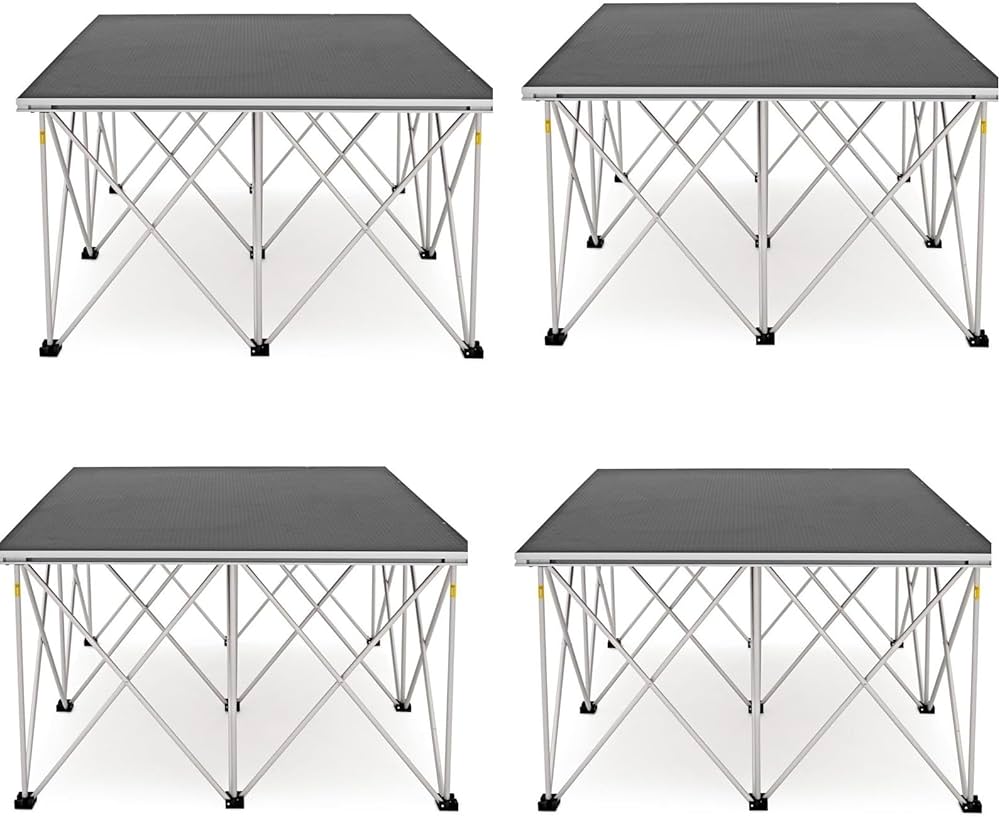
The Versatility of Modular Stages
Modular stages have revolutionised the world of event production and theatre performances. These versatile platforms offer a range of benefits that cater to the diverse needs of various productions.
Adaptability
One of the key advantages of modular stages is their adaptability. These stages can be easily configured and reconfigured to suit different performance spaces and event requirements. Whether it’s a small-scale theatre production or a large outdoor concert, modular stages can be customised to fit the venue perfectly.
Efficiency
Modular stages are designed for quick assembly and disassembly, making them ideal for events that require rapid setup and takedown. This efficiency not only saves time but also reduces labour costs, making modular stages a cost-effective solution for event organisers.
Customisation
With modular stages, creativity knows no bounds. These platforms can be customised with various accessories such as railings, stairs, ramps, and skirting to enhance the overall look and functionality of the stage. Event planners can unleash their creativity and design unique stage setups that align with their vision.
Portability
Another advantage of modular stages is their portability. These lightweight structures can be easily transported from one location to another, allowing for seamless transitions between different venues. Whether it’s a touring theatre production or a series of corporate events, modular stages offer unmatched convenience.
Durability
Despite their lightweight design, modular stages are built to last. Constructed from high-quality materials, these stages are sturdy and durable, ensuring a safe platform for performers and equipment. From dance performances to live music concerts, modular stages provide a reliable foundation for any type of event.
In conclusion, modular stages have become an indispensable tool in the world of event production and theatre performances. Their versatility, adaptability, efficiency, customisation options, portability, and durability make them a preferred choice for event organisers looking to create memorable experiences on stage.
Top 6 Advantages of Modular Stages: Versatile, Efficient, and More
Challenges of Modular Stages: Weight Limits, Setup Time, Visible Seams, Cost, and Design Constraints
- Limited weight capacity compared to traditional stages
- May require additional time for initial setup due to assembly process
- Potential for visible seams or gaps between modular stage pieces
- Cost of purchasing or renting modular stages can be higher than standard stages
- Limited customisation options for intricate or complex stage designs
Versatile
A significant advantage of modular stages is their versatility, as they can be effortlessly configured to accommodate a wide range of performance spaces and event requirements. This adaptability allows event organisers and production teams to tailor the stage setup to fit the specific needs of each venue, ensuring a seamless and professional presentation regardless of the location or type of event. The ability to customise the layout and design of a modular stage makes it an invaluable asset for creating dynamic and engaging performances that leave a lasting impression on audiences.
Efficient
The efficiency of modular stages lies in their ability to be swiftly assembled and disassembled, resulting in significant time savings and reduced labour costs. This quick setup and takedown process not only streamlines event preparations but also allows for seamless transitions between performances or events. By minimising the time and manpower required for stage construction, modular stages offer a cost-effective solution for organisers, enabling them to allocate resources more efficiently towards other aspects of the production.
Customisable
The customisability of modular stages is a significant advantage, offering a plethora of creative possibilities for stage design. By incorporating accessories such as railings, stairs, ramps, and skirting, event planners and theatre directors can craft unique and visually striking stage setups that enhance the overall aesthetic appeal of the performance space. This flexibility in design not only adds a touch of creativity but also allows for the creation of immersive environments that perfectly complement the narrative or theme of the production.
Portable
The portability of modular stages is a significant advantage, thanks to their lightweight design that allows for easy transportation between venues for a wide range of events. This feature ensures seamless transitions and flexibility for event organisers, making it convenient to set up stages in different locations without the need for extensive logistical challenges. Whether it’s a touring theatre production, a music concert, or a corporate event, the portability of modular stages offers unmatched convenience and efficiency in event planning and execution.
Durable
Constructed from high-quality materials, modular stages excel in durability, offering a sturdy and reliable platform for performances. This durability ensures that the stage can withstand the demands of various events, from dynamic theatre productions to lively music concerts. Performers and equipment can confidently rely on the robust structure of modular stages, enhancing safety and providing peace of mind for all involved in the production.
Cost-effective
Modular stages present a cost-effective solution for event organisers by combining efficiency and adaptability. Their ability to be easily configured and reconfigured to suit different venue requirements not only saves time but also reduces labour costs. By offering a versatile platform that can be customised to fit various event needs, modular stages prove to be a financially prudent choice for organisers looking to maximise their budget without compromising on quality or flexibility.
Limited weight capacity compared to traditional stages
One significant drawback of modular stages is their limited weight capacity when compared to traditional stages. Due to their lightweight and modular design, these stages may not be able to support heavy equipment, elaborate set pieces, or large groups of performers as effectively as solid-built traditional stages. Event organisers and production teams need to carefully consider the weight limitations of modular stages to ensure the safety and stability of the performance space, especially when dealing with complex productions that require substantial loads on the stage.
May require additional time for initial setup due to assembly process
One drawback of modular stages is that they may require additional time for the initial setup due to the assembly process. Unlike traditional stages that can be set up quickly in one piece, modular stages involve piecing together various components to create the desired platform. This meticulous assembly process can prolong the setup time, potentially causing delays in event schedules and rehearsals. Event organisers and production teams need to factor in this extra time requirement when planning for events that utilise modular stages to ensure a smooth and timely setup process.
Potential for visible seams or gaps between modular stage pieces
One drawback of modular stages is the potential for visible seams or gaps between the individual stage pieces. While these stages offer versatility and adaptability, the seams where the modules connect can sometimes be noticeable, affecting the overall aesthetics of the stage. This issue may require additional effort to conceal or address, especially in productions where a seamless stage surface is essential for a polished and professional look. Event organisers and production teams need to consider this aspect when utilising modular stages to ensure a cohesive and visually appealing presentation on stage.
Cost of purchasing or renting modular stages can be higher than standard stages
One notable drawback of modular stages is the potential for higher costs associated with purchasing or renting compared to standard stages. The versatility and customisation options offered by modular stages often come at a premium price point, making them a more expensive investment for event organisers and theatre companies. While the adaptability and convenience of modular stages are undeniable, budget constraints may pose a challenge for those looking to incorporate these innovative platforms into their productions. Careful consideration of the cost implications is essential when weighing the benefits against the financial outlay involved in utilising modular stages for events.
Limited customisation options for intricate or complex stage designs
One significant drawback of modular stages is their limited customisation options when it comes to intricate or complex stage designs. While modular stages offer versatility and adaptability, they may not always be suitable for productions that require highly detailed or elaborate stage setups. The standardized nature of modular components can restrict the creativity and design possibilities for productions that demand intricate staging elements. In such cases, traditional custom-built stages may be more suitable to bring complex artistic visions to life on stage.
Tags: accessorizing stages, adaptability, cost-effective solution, creative possibilities, customisation, customised setups, durability, efficiency, event production, event requirements, modular stage, modular stages, performance spaces, portability, theatre performances, versatility