
Exploring the Rich Tapestry of Contemporary Theatre Plays
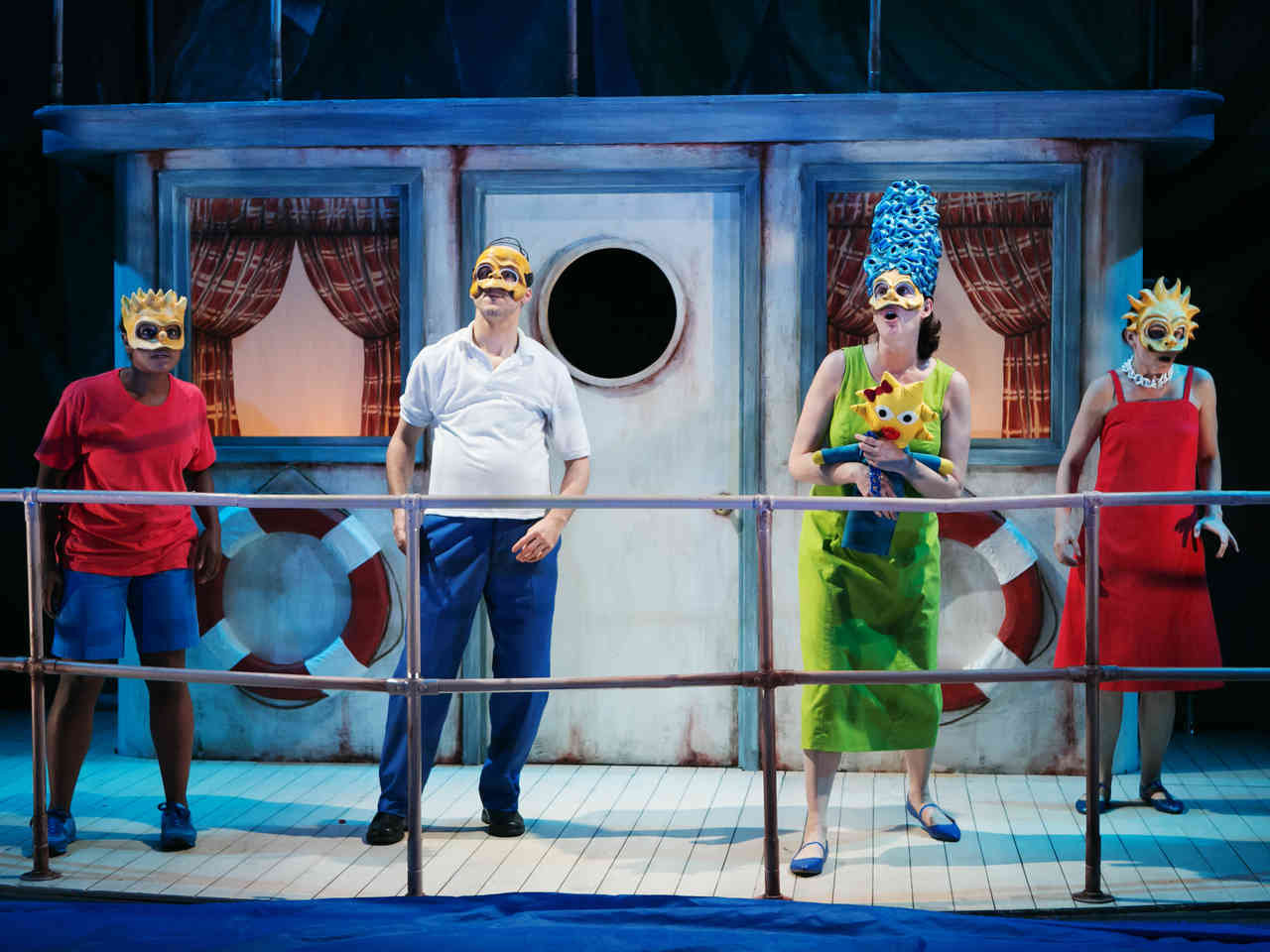
The Evolution of Contemporary Theatre Plays
Contemporary theatre plays have undergone a significant transformation in recent years, reflecting the ever-changing landscape of society and culture. These modern works push boundaries, challenge norms, and offer audiences a fresh perspective on the world around them.
One notable characteristic of contemporary theatre plays is their willingness to address complex and often controversial themes. Playwrights are unafraid to tackle issues such as identity, politics, mental health, and social justice head-on, sparking important conversations and provoking thought among viewers.
Furthermore, contemporary theatre plays often experiment with form and structure, blurring the lines between genres and incorporating multimedia elements to create immersive experiences for audiences. This innovative approach not only engages theatregoers but also pushes the boundaries of what theatre can achieve.
Another key aspect of contemporary theatre plays is their focus on diversity and inclusivity. Playwrights strive to represent a wide range of voices and perspectives on stage, ensuring that stories from all walks of life are heard and celebrated. This commitment to representation enriches the theatrical landscape and fosters greater empathy and understanding among audiences.
In conclusion, contemporary theatre plays continue to redefine the boundaries of storytelling, offering fresh insights into the human experience and challenging viewers to think critically about the world they inhabit. As we look to the future, it is clear that these modern works will play a vital role in shaping the cultural conversation and inspiring change in society at large.
8 Innovative Tips for Creating Engaging Contemporary Theatre Productions
- Explore diverse themes and topics to engage a modern audience.
- Experiment with non-linear storytelling techniques for a fresh narrative approach.
- Incorporate multimedia elements to enhance the visual and auditory experience.
- Collaborate with diverse artists and creatives to bring unique perspectives to the production.
- Utilize immersive staging and interactive elements to create an engaging environment for the audience.
- Address current social issues and controversies to provoke thought and discussion among viewers.
- Experiment with different performance styles, such as physical theatre or devised work, for innovative storytelling.
- Consider site-specific performances or unconventional venues for a unique theatrical experience.
Explore diverse themes and topics to engage a modern audience.
To captivate a contemporary audience, it is essential for theatre plays to delve into a myriad of diverse themes and topics. By exploring a wide range of subjects such as identity, social issues, relationships, and more, playwrights can create thought-provoking narratives that resonate with modern viewers. Embracing diversity in themes not only enriches the storytelling experience but also fosters a deeper connection between the audience and the performance, sparking meaningful conversations and reflections on the complexities of the world we live in.
Experiment with non-linear storytelling techniques for a fresh narrative approach.
By experimenting with non-linear storytelling techniques, contemporary theatre plays can offer audiences a fresh and innovative narrative approach. Departing from traditional linear structures, this technique allows for a more dynamic and engaging storytelling experience. By weaving together different timelines, perspectives, and plot threads, playwrights can challenge audience expectations, create suspense, and invite viewers to actively piece together the narrative puzzle. This approach not only adds complexity and depth to the storytelling but also opens up new possibilities for exploring themes and character development in exciting ways.
Incorporate multimedia elements to enhance the visual and auditory experience.
Incorporating multimedia elements into contemporary theatre plays can greatly enrich the visual and auditory experience for audiences. By blending live performance with video projections, sound effects, music, and other digital elements, playwrights can create a more immersive and dynamic theatrical experience that resonates with modern audiences. These multimedia enhancements not only add depth and complexity to the storytelling but also offer new avenues for creativity and innovation in the realm of theatre production.
Collaborate with diverse artists and creatives to bring unique perspectives to the production.
Collaborating with a diverse range of artists and creatives is a crucial tip when it comes to contemporary theatre plays. By incorporating varied perspectives and experiences into the production process, the resulting work becomes enriched with depth and authenticity. Diverse voices not only bring fresh ideas and approaches to storytelling but also ensure that the narrative resonates with a wider audience. Embracing inclusivity in collaboration fosters creativity, challenges preconceptions, and ultimately leads to a more dynamic and impactful theatrical experience for both creators and viewers alike.
Utilize immersive staging and interactive elements to create an engaging environment for the audience.
By utilising immersive staging and interactive elements, contemporary theatre plays have the power to transport audiences into a world where they become active participants in the unfolding story. This innovative approach not only captivates viewers but also blurs the boundaries between performer and spectator, creating a dynamic and engaging environment that enhances the overall theatrical experience.
Address current social issues and controversies to provoke thought and discussion among viewers.
Addressing current social issues and controversies in contemporary theatre plays serves as a powerful tool to provoke thought and ignite meaningful discussions among viewers. By shining a spotlight on pressing matters such as inequality, discrimination, and environmental concerns, playwrights have the ability to challenge societal norms and inspire audiences to reflect on their own beliefs and actions. Through this engagement with relevant and often challenging topics, contemporary theatre plays have the potential to not only entertain but also educate and catalyse positive change in the world.
Experiment with different performance styles, such as physical theatre or devised work, for innovative storytelling.
In the realm of contemporary theatre plays, it is essential to embrace experimentation with various performance styles to craft innovative and compelling narratives. By exploring techniques like physical theatre and devised work, artists can break free from traditional constraints and create immersive storytelling experiences that resonate deeply with audiences. These alternative performance styles offer a unique avenue for expression, allowing for dynamic and thought-provoking interpretations of complex themes and characters on stage. Embracing such innovative approaches not only enriches the theatrical landscape but also pushes the boundaries of creativity, inviting viewers to engage with storytelling in fresh and unexpected ways.
Consider site-specific performances or unconventional venues for a unique theatrical experience.
When exploring the realm of contemporary theatre plays, it is worth considering the allure of site-specific performances or unconventional venues. By breaking away from traditional theatre spaces, such as black box theatres or proscenium stages, audiences are invited to immerse themselves in a unique and intimate theatrical experience. Whether set in abandoned warehouses, historic buildings, or outdoor locations, site-specific performances offer a fresh perspective on storytelling, blurring the lines between fiction and reality. This innovative approach not only challenges the boundaries of traditional theatre but also allows for a deeper connection between the audience, the performers, and the surrounding environment.
Tags: artists, audience, auditory experience, collaboration, contemporary theatre plays, creatives, diverse, multimedia elements, narratives, non-linear storytelling, storytelling techniques, themes, topics, visual experience